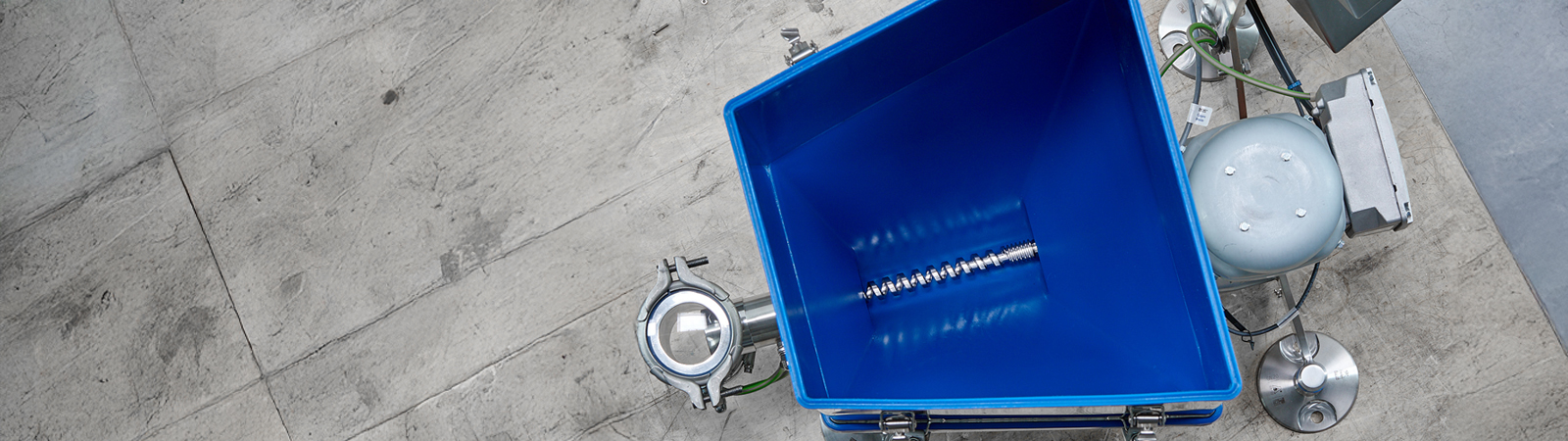
Hygienic Design at Kubota Brabender Technologie
Safety as Design Principle
“You are what you eat”: What we eat lays the foundation for our health. Accordingly, it is extremely important that we can rely on the safety of our food and pharmaceutical products. Strict legal regulations ensure this – as does high-quality production equipment like Kubota Brabender Technologie's feeding solutions.
Practical Solutions for Food and Pharmaceutical Industries
To guarantee safe food and pharmaceutical products, one thing is essential in production: a plant design that makes absolutely no compromises when it comes to hygiene. All machines and systems must be designed to avoid contamination and allow complete, efficient cleaning. In other words: They must meet the high standards of hygienic design.
What Is Hygienic Design?
As the name suggests, hygienic design is the practice of designing equipment that promotes hygiene and facilitates cleaning. This principle aims to design components, machines, and systems in a way that mitigates the risk of contamination by germs or residue and supports safe cleaning processes.
Kubota Brabender Technologie's feeding solutions for the food and pharmaceutical sector put hygienic design front and center – not as an optional equipment feature, but as an integral part of the defined standard. From initial concept and selection of materials to construction. The manufacturer takes the entire device into account, not just areas that come into direct contact with the product. In industries with strict product safety requirements, this kind of consistently implemented hygienic design is essential in order to protect the safety of consumers and employees.
Absolute Regulatory Compliance
Hygienic design must comply with strict regulatory requirements in the form of laws, guidelines, and international standards. Kubota Brabender Technologie's feeding systems meet all relevant requirements for the food and pharmaceutical industries. The manufacturer is a member of the European Hygienic Engineering & Design Group (EHEDG), which defines the guidelines for hygienic design in cooperation with the European Committee for Standardization. This ensures that the company is always up to date.
In addition to the EHEDG guidelines, Kubota Brabender Technologie actively incorporates the DIN EN 1672-2 standard (Food Processing Machinery – Hygiene Requirements) – which also provides essential precepts for hygienically designing industrial equipment – in every step of creating its solutions. Needless to say, the manufacturer complies with all regulatory requirements regarding the used materials. The company thus ensures that its feeding solutions reliably meet both legal requirements and the practical expectations of production environments with high hygiene standards.
Standards and Guidelines for Hygienic Design
- EHEDG guidelines for hygienic design
- DIN EN 1672-2 – standard defining hygiene and cleanability requirements for food processing machinery
Regulations and Standards for Elastomers and Plastics with Food Contact
- Regulations of the US Food and Drug Administration (FDA)
- EC 1935/2004
- EC 2023/2006
- EU 2024/3190
- EU 10/2011
High-quality Materials and Consumables
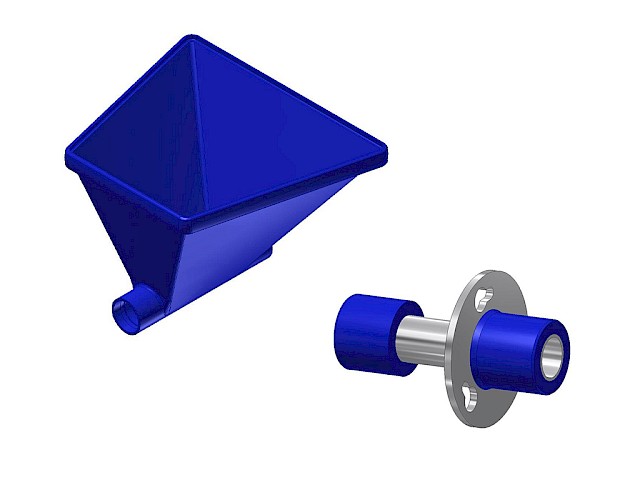
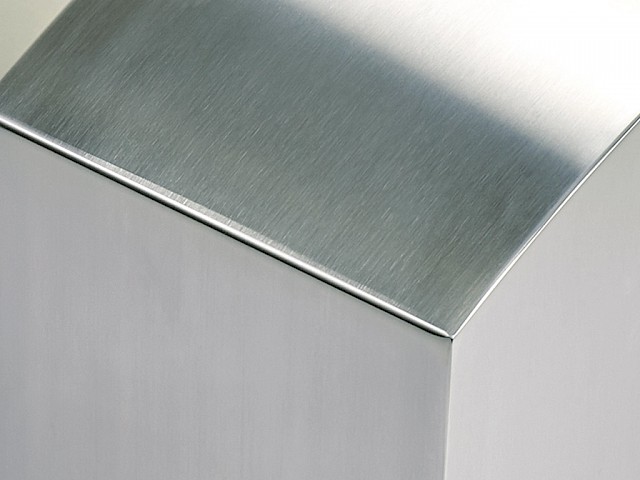
All parts of Kubota Brabender Technologie's hygienic design equipment that come into contact with the product are constructed from stainless steel or high-quality plastic. As a standard feature, their surface finish complies with EHEDG recommendations to ensure easy cleanability and a minimal tendency for substances to adhere. The used elastomers comply as closely as possible with the relevant recommendations of the Federal Institute for Risk Assessment (BfR) and – like all other plastics used – are completely free of animal-derived ingredients (ADI-free). This eliminates the risk of pathogens in the form of altered protein molecules, guaranteeing a high level of safety for product contact.
Hygienic design does not end with component construction. All supplies and consumables are also consistently selected according to hygienic and normative aspects. For example, all abrasives and polishing agents used in manufacturing the devices are free of animal-derived ingredients; all lubricants are food-grade, kosher, and halal, and all cleaning agents are H1-certified and approved for occasional food contact.
Last but not least, Kubota Brabender Technologie has made the conscious decision not to use the mineral oil hydrocarbons MOSH (Mineral Oil Saturated Hydrocarbons) and MOAH (Mineral Oil Aromatic Hydrocarbons) years ago. These substances are suspected of accumulating in the human body and posing a health risk; for this reason, the feeding expert uses only MOSH- and MOAH-free lubricants and supplies, ensuring the highest possible level of product safety.
Easy Disassembly and Cleaning
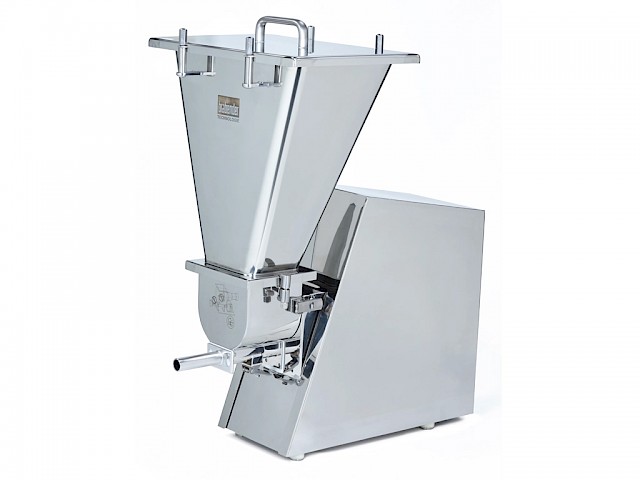
Kubota Brabender Technologie's hygienic design feeding solutions are designed to prevent contamination and facilitate easy cleaning. There are no permanently inaccessible areas or exposed threads in the product area, and all seams are continuously welded to prevent product build-up.
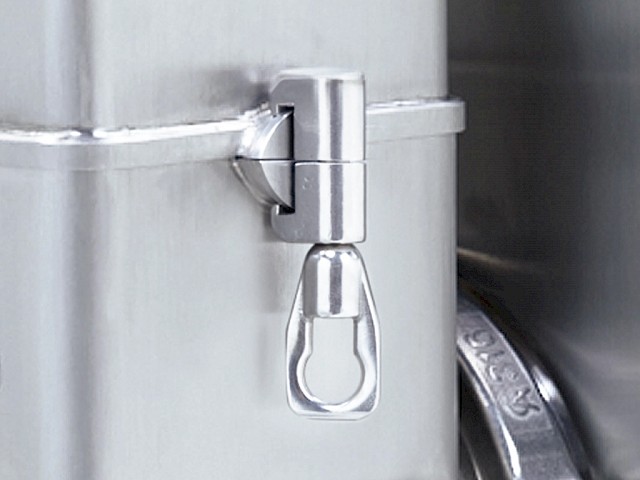
Disassembly for cleaning is quick and safe. All parts with product contact – including seals and screws – are easily accessible and can be removed quickly. In their standard configuration, the devices are deliberately designed not to allow tool-free disassembly. This is an important safety feature that prevents accidental opening during operation without limiting efficient cleaning in day-to-day production.
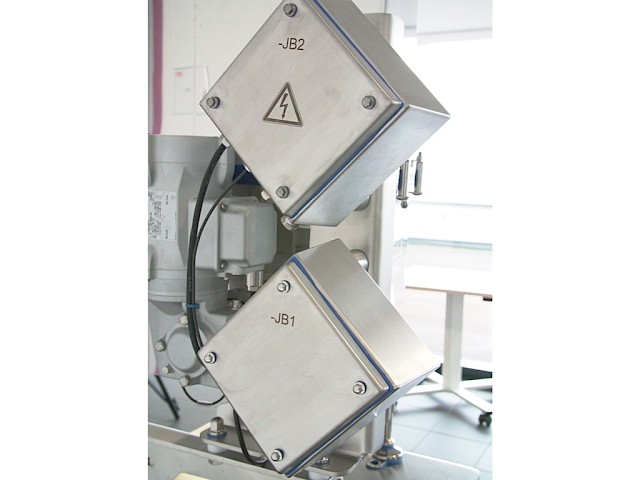
The optional hygienic design weighing frame makes it easier to clean both the device and the area beneath the system. Thanks to their easy-to-clean design, the corresponding slanted junction boxes facilitate an easy drainage of cleaning agents and reduce potential areas for debris deposits outside of the product area.
Special Motor Concepts for Hygienic Design
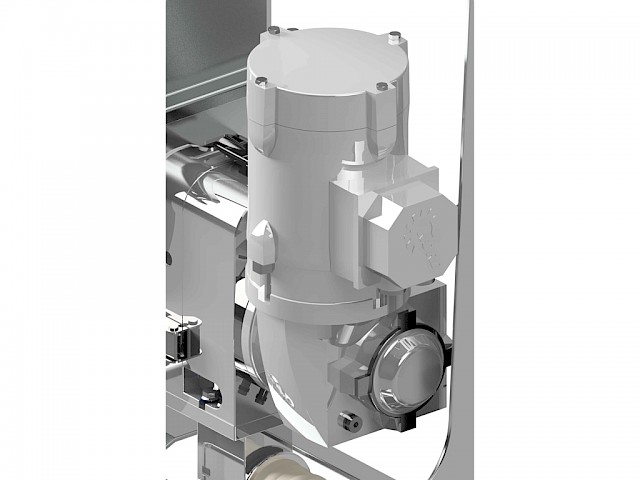
Hygienic design feeders can be equipped with fanless smooth motors that operate without cooling fins or active airflow. This minimizes the turbulence of ambient air in the machine's immediate vicinity, reducing the risk of contamination by particles or dust. The motors' smooth, seamless surfaces also make cleaning easier, since the components lack structures that build-up can adhere to.
Strict, Stricter, the Strictest: Pharmaceutical Versions
The pharmaceutical industry is subject to even more stringent requirements regarding hygiene, documentation, and process safety than the food production industry. This is why Kubota Brabender Technologie offers specialized pharmaceutical versions of its feeding solutions that meet the industry’s higher standards regarding manufacturing tolerances, surface finishes, and certification of materials.
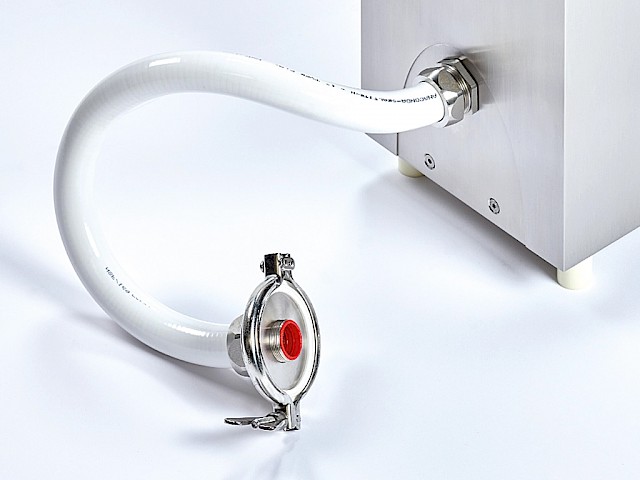
Extremely low surface roughness, fully ground-down weld seams, rounded edges, and tool-free disassembly are frequently standard features of pharmaceutical device versions. In addition, pharmaceutical feeders can be protected from external contamination by means of an enclosure that also facilitates quick and efficient cleaning. Wiring concepts that comply with pharmaceutical standards provide an additional level of safety. Here, protective sleeves secure the cables and provide enhanced cleanability and optimal regulatory compliance.
Hygienic Design at Kubota Brabender Technologie
- uncompromising compliance with regulatory requirements
- consistent orientation to guidelines and standards as well as the industry-specific standards for food and pharmaceuticals
- tested and certified materials and consumables
- efficient, safe, and reproducible cleaning processes
- high product safety
- design variants for various food and pharmaceutical applications